Opinion
Sahel Bleeding: Why Porous Borders, Blood Gold, Collapsing States Are Fueling Terror
By : Ipole AmajamaSecurity analyst
Sahel Bleeding: Why Porous Borders, Blood Gold, Collapsing States Are Fueling Terror
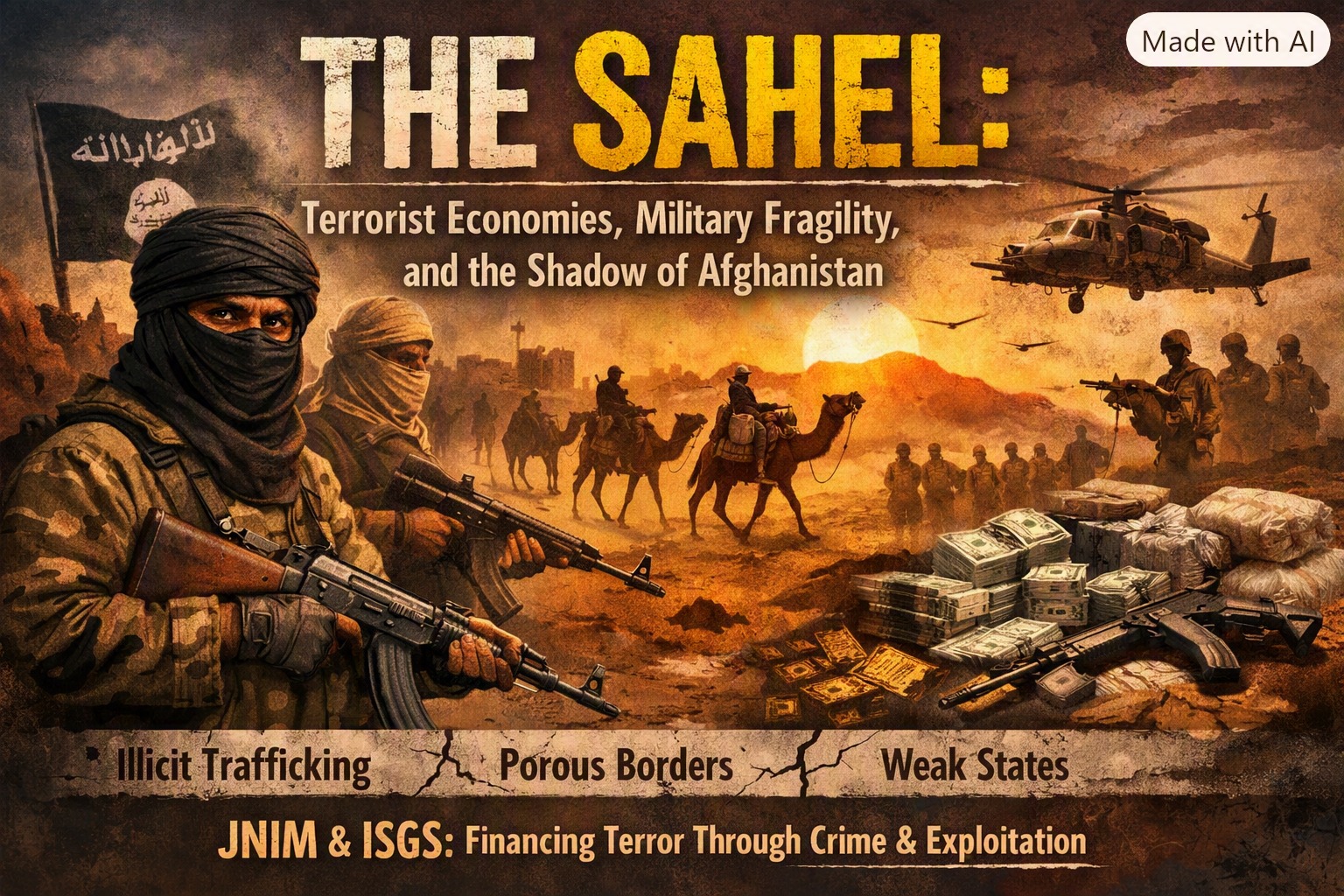
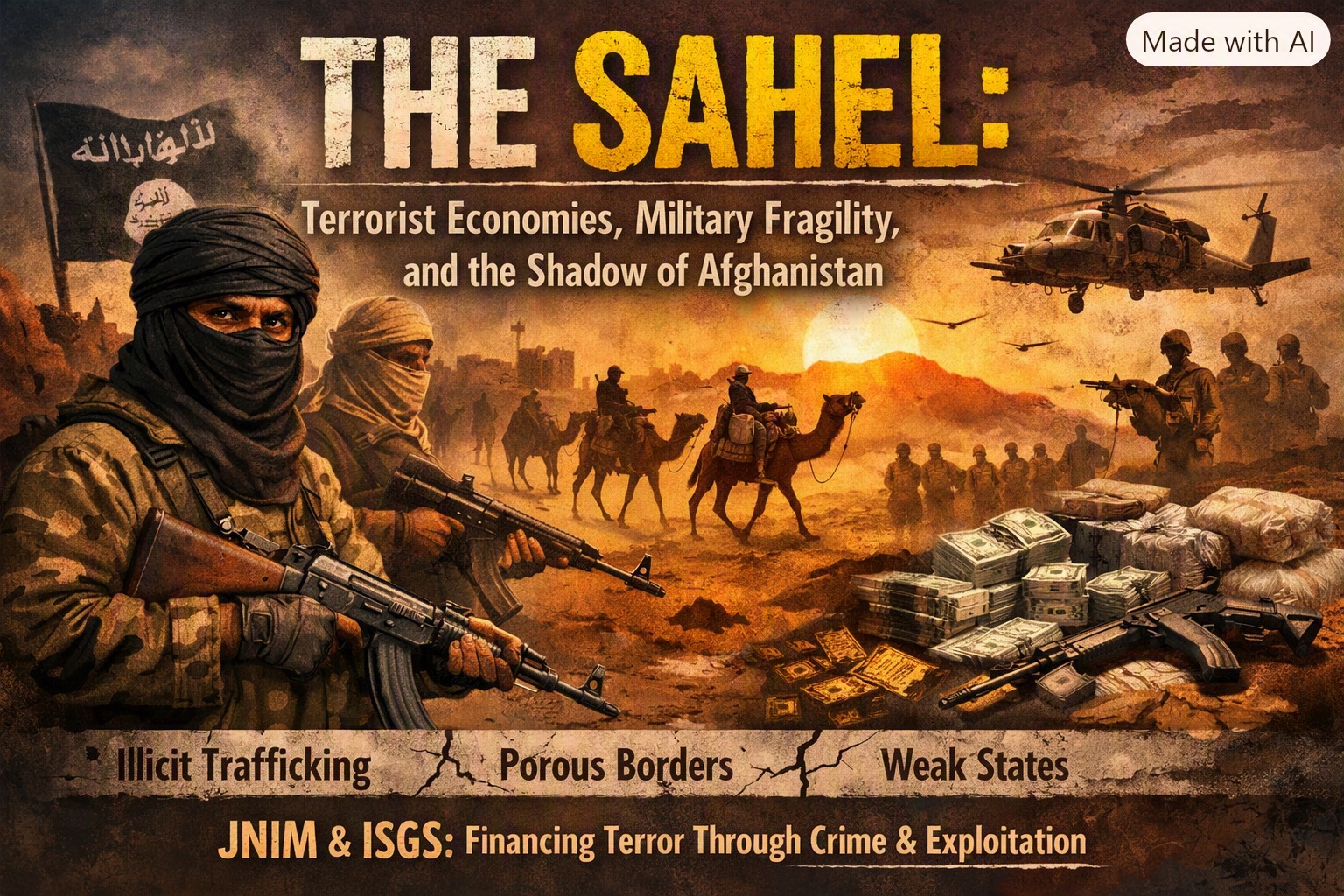
The war in the Sahel is no longer just about religion or radical ideology. It is about cash. Militant networks are now running their own criminal enterprises, and those illicit profits are what keep them alive, mobile, and expanding across broken borders.
From Mali to Burkina Faso and into Niger, franchises like Jama’at Nasr al-Islam wal Muslimin, JNIM, and the Islamic State in the Greater Sahara, ISGS, have grafted themselves onto shadow economies that existed long before they arrived.
“Terror in the Sahel is as much a business model as it is an ideology,” a security analyst said. “JNIM and ISGS have built self sustaining criminal empires.
They feed on weak governance and thrive on black markets. That is why they are so difficult to dismantle,” he added.
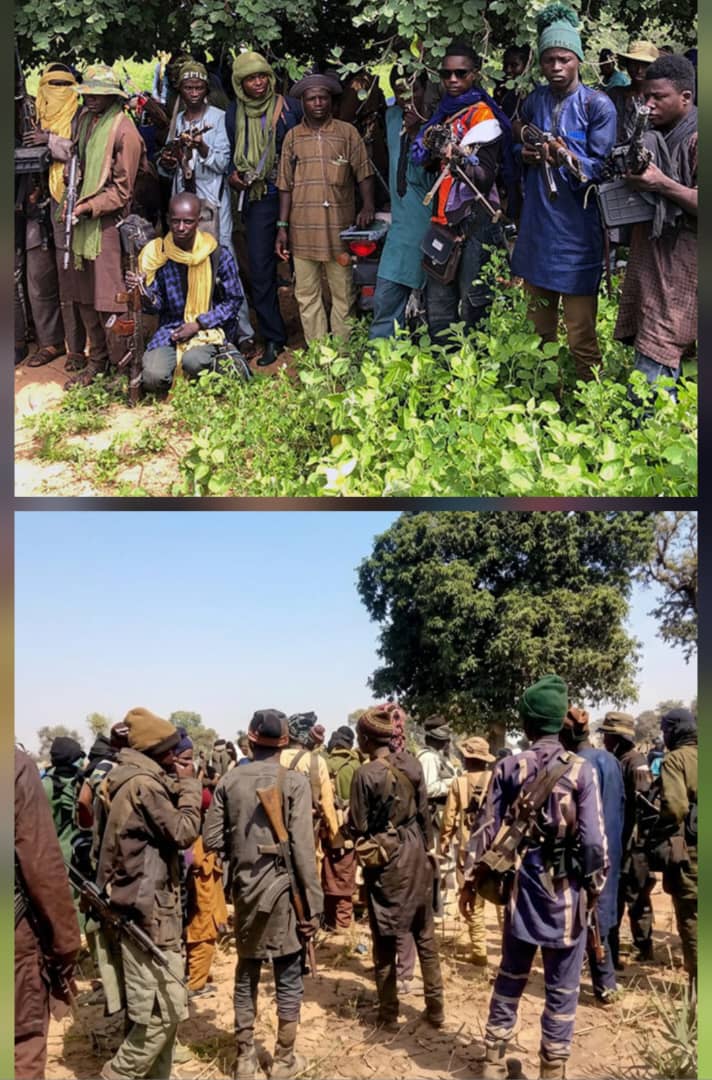
In the countryside, the militants are acting like a parallel government. They levy farmers, cattle herders and market traders, often branding the payments as religious dues.
“In many rural areas, these groups impose taxes on civilians and traders. They call it ‘zakat’ or protection money,” the analyst explained.
“While they do this, they mimic state functions and steadily hollow out government authority,” he stated.
The Sahel’s vast, ungoverned spaces have also turned the region into a superhighway for contraband. “The geography itself works against the state. The Sahel has become a transit hub for arms, narcotics and human trafficking across Mali, Niger and Burkina Faso,” he said.
“And every shipment puts money into the pockets of armed groups.” Illegal mining has become another lifeline. Across Burkina Faso and Mali, fighters either seize gold pits outright or force artisanal miners to pay up.
“Beyond smuggling, illegal gold mining is now a major source of funding. In Burkina and Mali, insurgents control mining sites or extort those who work them,” he noted.
“They have built entire parallel economies outside the law.”
“The danger is spreading. In Nigeria’s North West, banditry is being bankrolled by illegal mining in Zamfara, Kebbi and Sokoto,” he added. Because the money keeps flowing, battlefield victories have not translated into strategic success.
“With these financial networks intact, insurgents can absorb losses. Kill a commander, destroy a camp, and they regroup because the money remains,” the analyst said.
“That is why military operations keep producing tactical wins without ending the war.”
The political situation has worsened since Mali, Burkina Faso and Niger exited ECOWAS to create the Alliance of Sahel States, AES. The three juntas came in promising sovereignty and a break from foreign influence.
“But the foundation of these regimes is shaky, especially their growing reliance on Moscow,” he said.
“They keep postponing elections citing insecurity, claiming stability must come first. The real question is how long that excuse will hold,” he added.
Public goodwill is fading fast. “The juntas are losing legitimacy by the day. People initially cheered the coups out of frustration with civilian rule. Now it feels like replacing one problem with another, as elections keep being delayed,” he said.
“More citizens now see these military leaders as people clinging to power for themselves.” He argued that using insecurity to delay polls is backfiring.
“Every time they cite insecurity to postpone elections, they advertise their own failure. Each attack becomes evidence that they cannot deliver stability,” he stated.
International isolation has made things worse.
“Right now, the AES bloc is cut off. Sanctions and a rift with ECOWAS and Western partners have crippled economies and weakened the regimes further,” he said.
“Deals with Russia’s African Corps may give short-term firepower, but they do nothing to fix broken governance.”
On why JNIM continues to evade security forces, he listed four reasons. “First, they have deep local intelligence. JNIM lives within communities, using family ties and grievances to know where troops are moving,” he said.
“Second is mobility. Unlike conventional armies, they cross borders at will, use the terrain, and avoid fixed positions,” he stated. “Third is propaganda. By hitting symbolic targets like convoys or officials, they project the image of a weak state,” he added.
“Fourth, they weaponize foreign presence. The arrival of Russia’s African Corps has not stopped them. They use it in messaging to paint outsiders as occupiers,” he said.
“JNIM stays ahead not just because of guns, but because it understands perception is a weapon too.” The analyst warned the region is sliding toward an Afghanistan-like outcome. “In both places you see insurgents running communities, states losing rural areas, and foreign interventions failing to build durable peace,” he said.
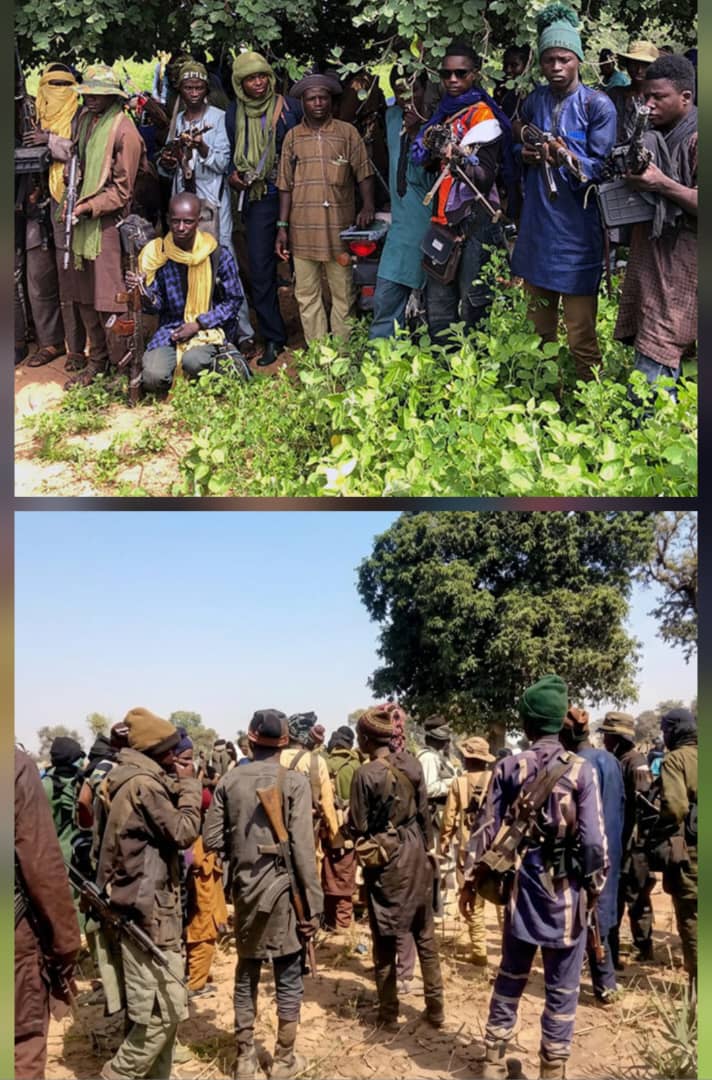
“In Sahelian villages, militants now settle disputes, enforce deals and regulate markets. They are filling the vacuum left by absent governments,” he stated. “Bamako, Ouagadougou and Niamey still control their capitals, but huge swathes of territory are gone,” he added.
“From France’s Operation Barkhane to Russia’s African Corps, outsiders have poured resources into the Sahel. But no foreign force can substitute for local governance,” he said.
“This is not hyperbole. It is a warning. Just as the Taliban outlasted coalitions, Sahelian groups will survive unless we prioritize governance, development and legitimacy.”
He concluded that guns alone will not solve this.
“The Sahel crisis is multidimensional. Terror groups sustain themselves through illegal economies, which makes them resistant to purely military responses,” he said.
“What we need is more than weapons and foreign troops. We need to rebuild trust between citizens and the state, invest in governance, and cut off the economic pipelines feeding insurgents,” he added.
“Without that, the Sahel will remain a permanent zone of instability. A reminder that terrorism is fought not just on battlefields, but in markets, villages, and in the social contracts that bind nations together.”
Amajama, a social and policy analyst, writes from Abuja and can be reached via amajamaip@gmail.com

0 Comments
Be the first to comment on this story.