Agriculture
FSSS Empowers 21,000 Bauchi North Farmers With Climate-Smart Agriculture Techniques
FSSS Empowers 21,000 Bauchi North Farmers With Climate-Smart Agriculture Techniques
By Idris Khalid
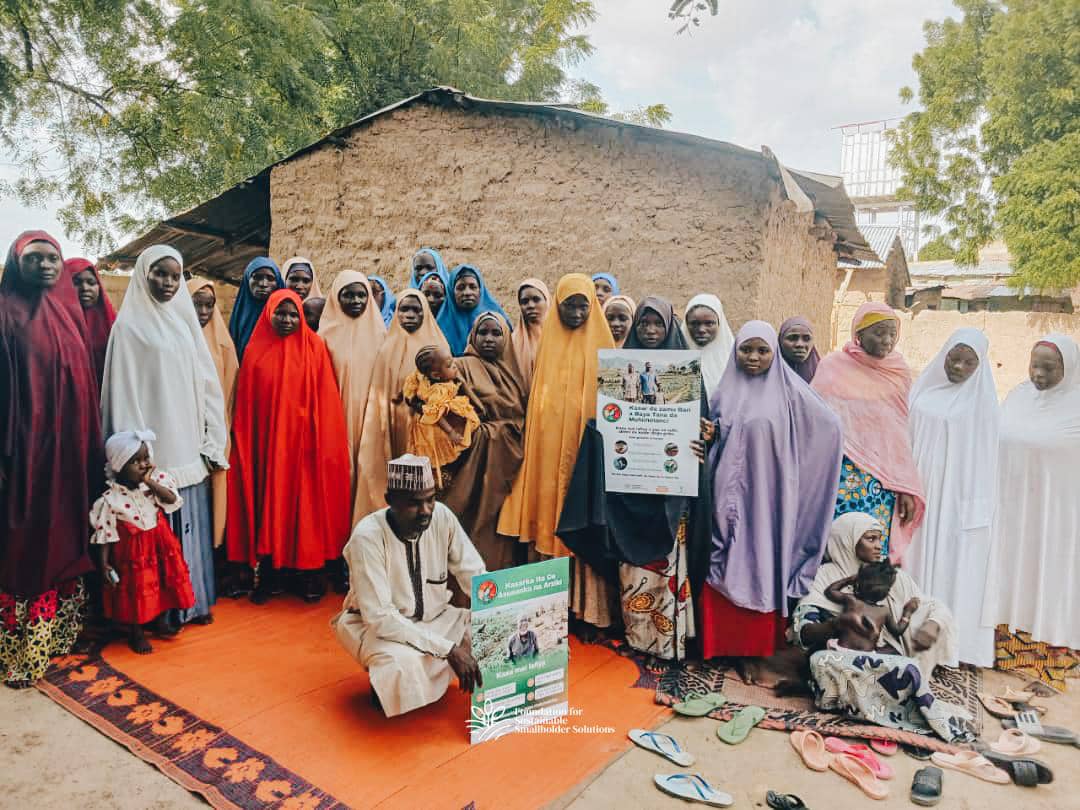
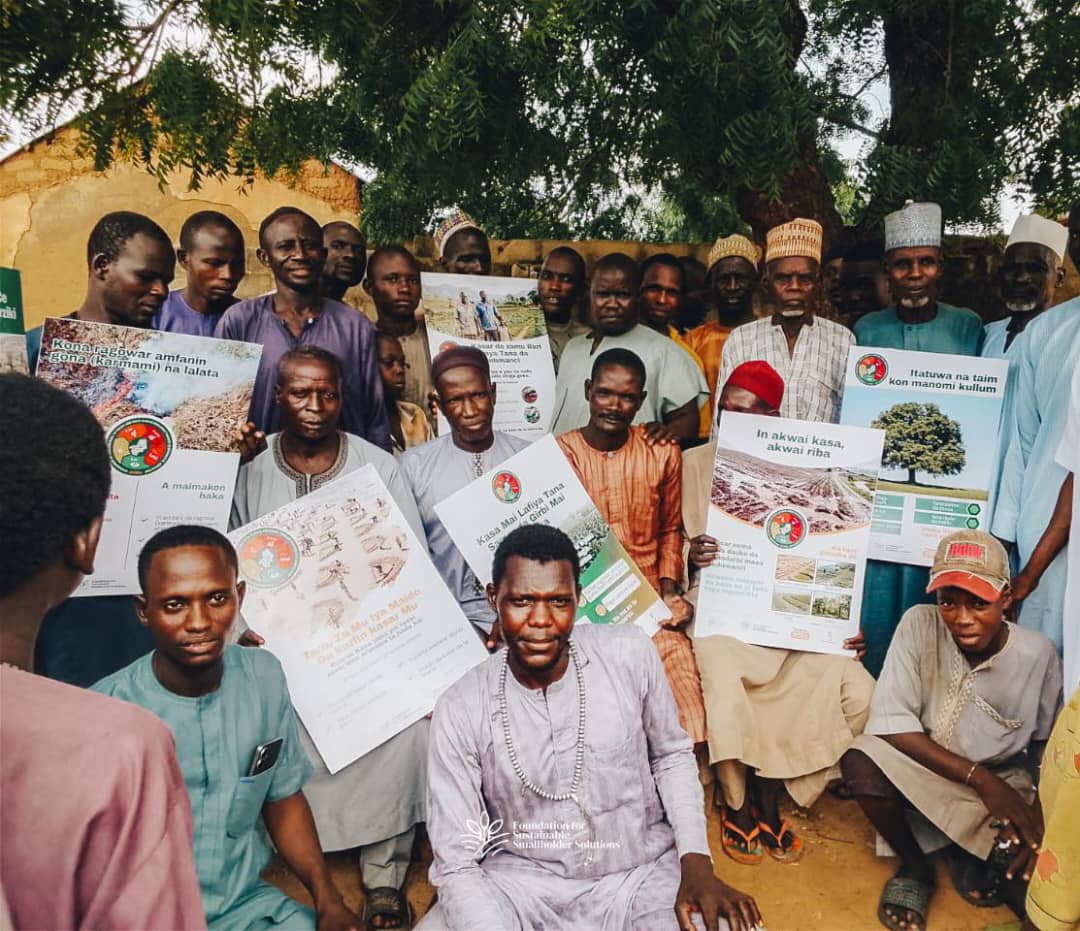
Over 21,000 smallholder farmers in seven local government areas of Bauchi North have benefited from a community sensitization drive by the Foundation for Sustainable Smallholder Solutions, FSSS.
The initiative focused on promoting regenerative and climate-smart farming methods to reverse environmental damage and strengthen food security in the zone. According to FSSS, the Social and Behaviour Change Communication, SBCC, campaign was designed to tackle practices fueling bush burning, deforestation, soil depletion, erosion, and general land degradation.
Officials said these activities have left many farming communities exposed to drought and erratic rainfall patterns.
Speaking on the exercise yesterday, the Brand and Communications Manager of FSSS, Clinton Mena Inene, said the organization adopted direct community engagement and hands-on training to shift farmers toward sustainable land use.
He explained that participants were taught practical steps for protecting trees, halting bush burning, conserving soil, managing water, and applying organic inputs.
"We took the message to the grassroots through mobilization and practical demonstrations," Inene stated.
"We sensitized farmers on tree planting and protection, stopping bush burning, soil conservation, water management, mulching, composting, and the use of manure and other organic fertilizers," he added.
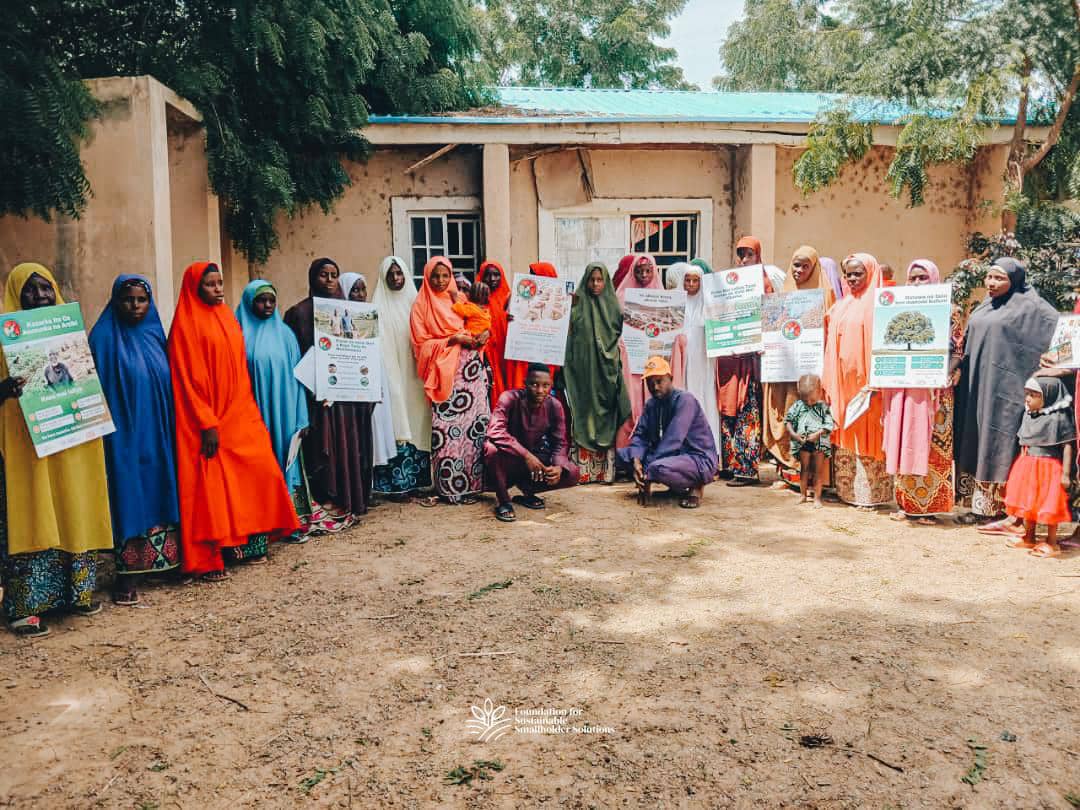
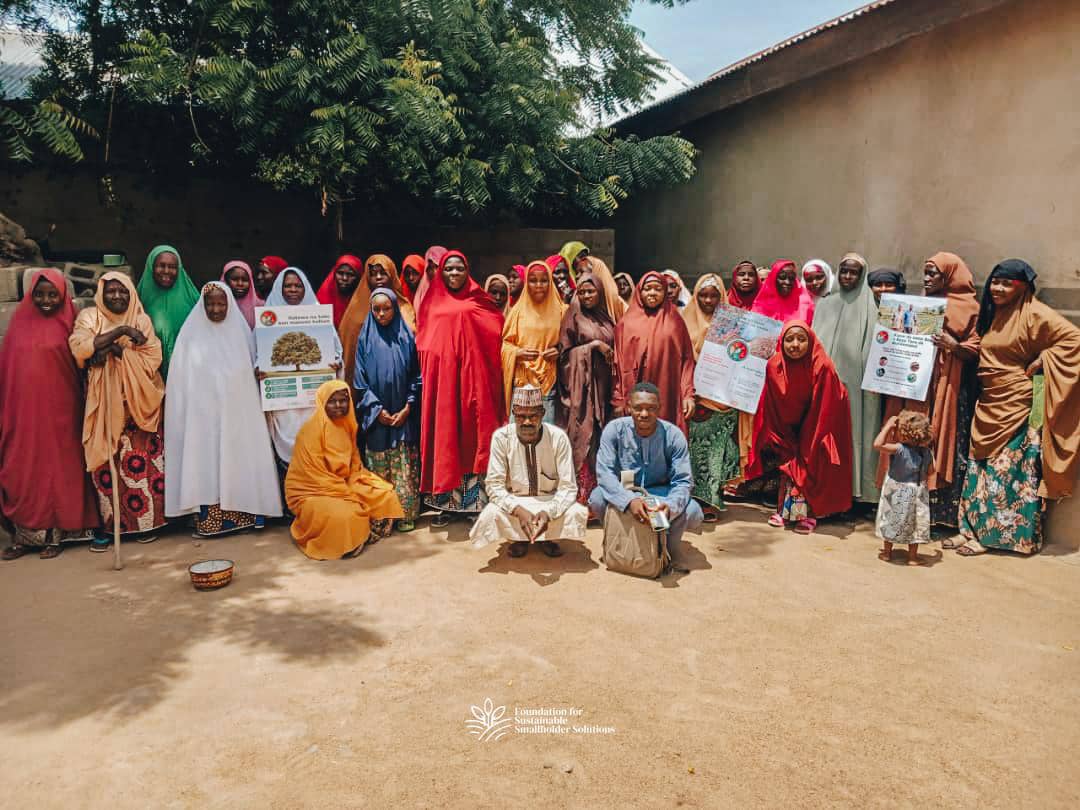
Inene further noted that farmers were trained on land structures such as earth bunds and half-moons to control erosion, reduce surface runoff, and enhance water absorption. "The campaign reached more than 21,000 farmers, including women and young people," he said.
Farmers who attended the sessions said the knowledge gained has reshaped how they manage their farms amid climate challenges.
Musa Abdullahi, a farmer from Katagum LGA, said he has abandoned the practice of burning crop residue.
"Before now, I used to burn the residues on my farm because I thought it was the easiest way to clear the land. From the training, I learned that the residues can be used as mulch and compost to improve the soil. I will stop burning them and use them to support my crops," he said.
Hauwa Ibrahim, a female farmer from Giade LGA, said the water conservation techniques will help her cope with unpredictable rains. "The training taught us how to make earth bunds and half-moons to keep water on the farm. This is important because rainfall is no longer predictable. I will apply what I learned so that my crops can receive more water and grow better," she said.
Abdullahi Sani from Shira LGA said the program motivated him to embrace tree planting around his farmland.
"The training encouraged me to plant and protect trees around my farm," he stated.
Zainab Umar, a female farmer from Jama’are LGA, said she now feels more confident using organic methods to boost soil fertility. "We were shown how to use manure and compost instead of depending only on chemical fertiliser. This will help us improve our soil and reduce the cost of farming. I am ready to share the knowledge with other women in my community," she said.
Inene stressed that changing farmers’ attitudes is critical for long-term climate resilience. "It is not enough to give farmers inputs and tools. They also need to understand why these practices matter and how the choices they make on their farms affect the land and their livelihoods," he said.
He added that beneficiaries were also linked to services at FSSS Farmers’ Hubs, which provide improved seeds, farm inputs, training, mechanization support, climate information, and market linkages.
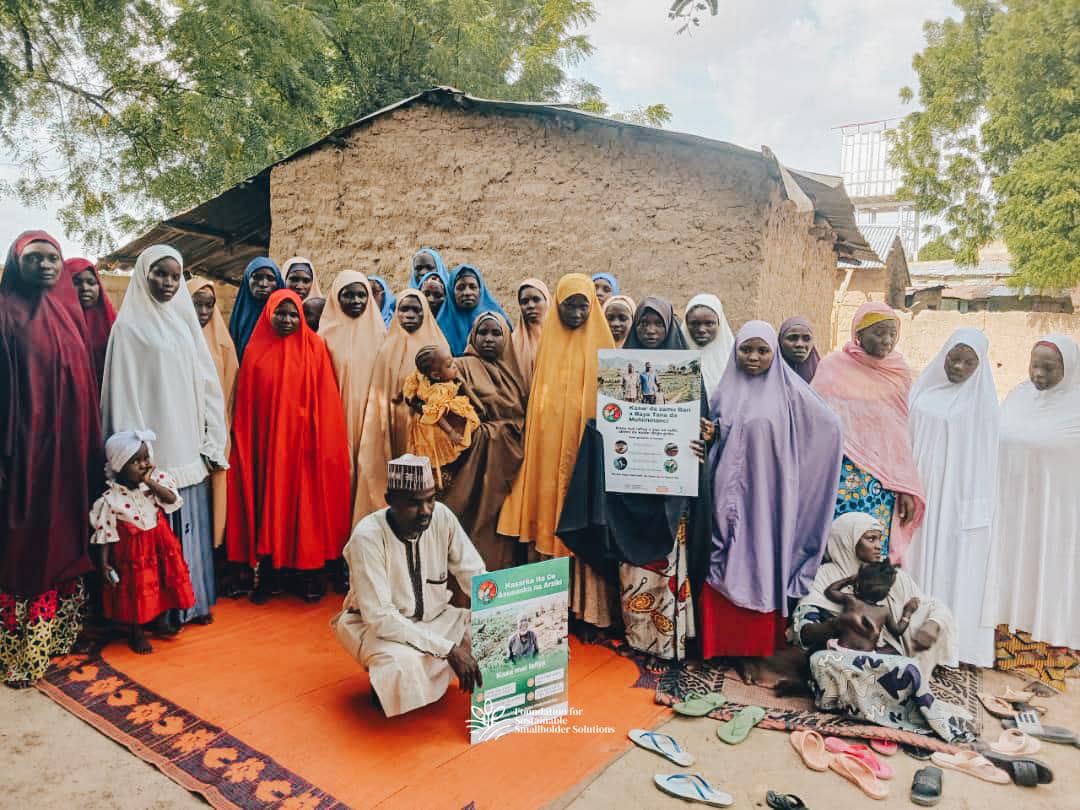
The SBCC campaign is a component of the Empowerment of Smallholder Farmers to Thrive and Build Climate Resilience through Regenerative Agriculture, ESTRRA, Project. The project targets 14,000 smallholder farmers directly and seeks to restore 29,000 hectares of degraded land across Bauchi North.
The ESTRRA Project is funded by the HEINEKEN Africa Foundation and Nigerian Breweries PLC.

0 Comments
Be the first to comment on this story.